


Road freight is the most flexible method of transporting cargo. It is in extensive use for transporting cargo from one place to another, irrespective of the distance, offering door delivery to buyers at the location of loading across regions, states, and national borders. It can also be used for small parcels to large full truckload consignments.
It does not require ports or airports to operate; hence, it is flexible and accessible. Road transport is best suited for distribution within landlocked areas, local delivery networks, or multimodal connections.
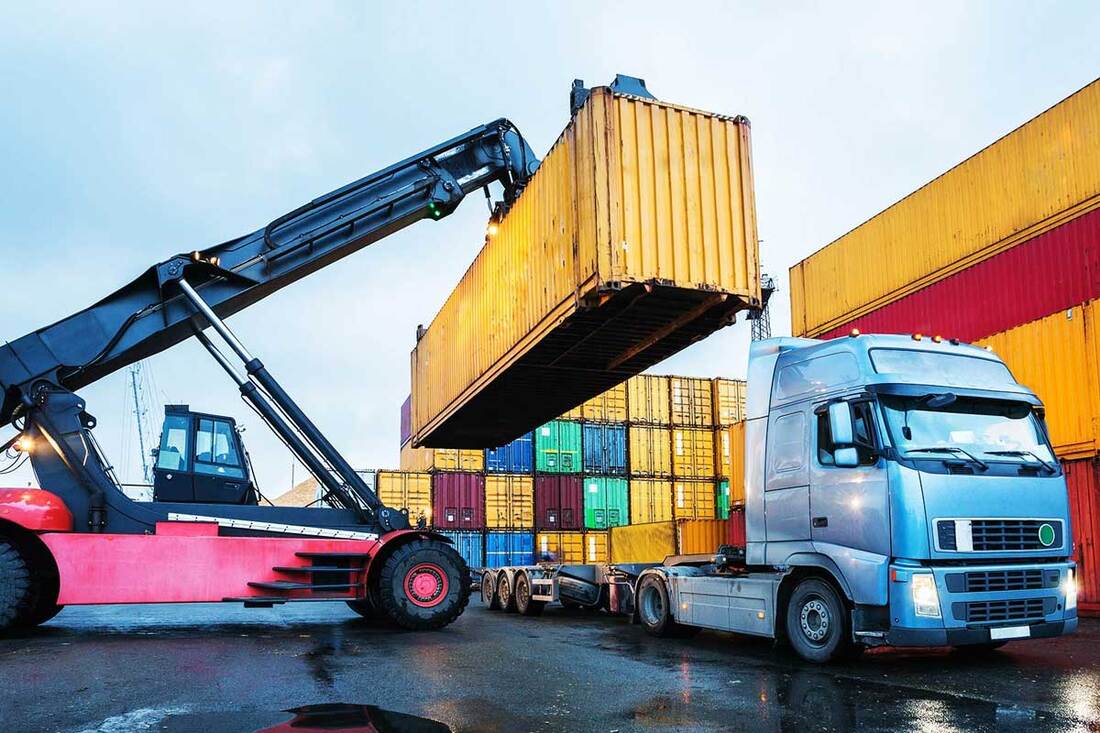
Step 1: Vehicle Planning & Cargo Booking
Stage one involves selecting a particular vehicle type, be it pickup vans, flatbeds, or container trucks, depending on the suitability in context with the size and nature of goods. In this case, the choice may depend upon weighing considerations where full truckload (FTL) or less than truckload is applicable.
Once the route is confirmed, certain documentation is prepared, which includes the Delivery Challan, Invoice, E-Way Bill, and inter-state permits, especially if the shipment is crossing state or national borders.
Step 2: Cargo Pick-up & Loading
The cargo is taken from the dispatch location and loaded onto the vehicle. Adequate precautions are taken regarding safety with respect to the loading procedures and the proper placement of cargo to avoid shifting or even damage during travel.
Depending on the item, strapping or covering and boxing may be used. For high-value or highly delicate goods, instructions may be given to the drivers to avoid traversing rough terrain or high-speed roads to minimize risks.
Step 3: Transit & Route Tracking
While en route, shipments are tracked with GPS systems or updates from the transport provider. For long-haul routes, rest points and refueling stops are scheduled so that movement is uninterrupted and progress order is kept.
In the case of express deliveries, the drivers are on shifts, or alternatively, nighttime transport is adopted in order not to waste any time. They also keep track of traffic, road closures, or weather inconveniences and use bypasses whenever necessary.
Step 4: Delivery & Unloading
While unloading, goods must be handed over carefully to the consignee when the vehicle reaches its destination. Signature and delivery confirmation mark the end of the logistics process.
An appropriate unloading regime leads to reduced damage prospects, while with the cross-check pen of the driver, the cargo is validated for the correct quality and quantity. For business purposes, evidence of delivery (P.O.D.) is immediately generated.