


A Step-by-Step Guide to Understanding Sea Cargo Logistics
Ocean freight, perhaps one of the most widely-used methods of transporting big quantities of goods across the world, provides an economical option for businesses in merchandising bulk shipments across long distances. This especially works well for cargo that is not too time-sensitive and requires the combined advantages of cheapness and throughput capacity.
Be it any kind of goods, e.g., raw materials, machineries, consumer goods, ocean freight is used widely in international trade. An understanding of how the whole process works enables importers and exporters to effectively prepare and minimize cost while avoiding any unnecessary delays.
Step 1: Booking & Documentation
Step 1: Booking & Documentation
The first procedure along the path of shipping is the booking of space with the shipping company. This booking involves selecting the correct size of the container (e.g., 20ft or 40ft), determining whether the shipment is a Full Container Load (FCL) or Less than Container Load (LCL), and relevant departure and arrival ports. The choice shall depend on cargo, type, weight, volume, and urgency.
Once the booking is confirmed, proper documentation is then expected to come along. Commonly, the documentation comprises the Bill of lading, Commercial invoice, and Packing list: all integral to customs clearance and tracking of shipment. Missing or incorrect paperwork may potentially incur great costs in the form of delays; therefore, this must be right from the start.
Step 2: Cargo Pickup & Consolidation
Following the documentation, it is now time to pick up the cargo from the warehouse/factory/supplier’s place. It is then transported to a consolidation center or port. In some cases, a consolidation process brings together comparatively smaller shipments from different exporters into one container. This helps in saving costs when full containers are never necessary.
Great care must be taken while loading not to cause any damage. The cargo has been secured, labeled, and tracked. For LCL exporters, consolidation is meaningful since it better improves efficiency and cuts shipping costs while still offering advantages of international freight services.
Step 3: Container Stuffing & Port Clearance
Once the cargo arrives at the port, the cargo stuffing is put into the container. This needs to be done with utmost care to prevent shifting during sea transit. The containers are then sealed, labeled, and sent to the port terminal for customs inspection and clearance.
Before the containers are let out of the country, they must pass a thorough customs inspection. That includes inspecting documents, complying with export regulations, and paying applicable duties. Such thorough inspections and rules at the ports often lead to delays, and any untimely delay could affect the shipment schedule.
Step 4: International Sea Transportation
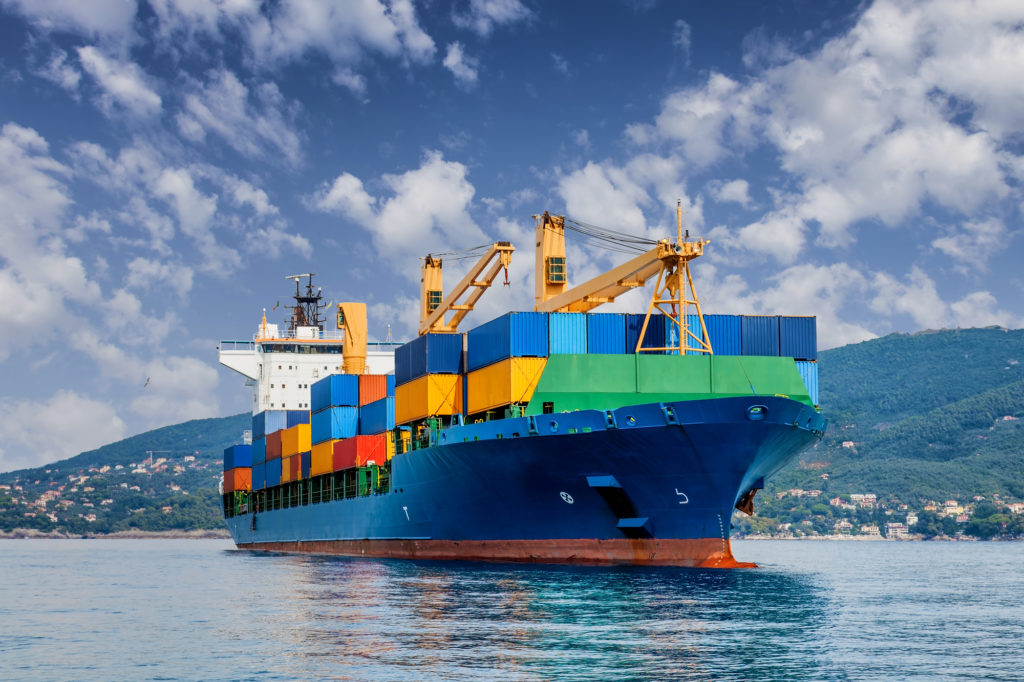
Once clearance is done, the cargo container is loaded onto a vessel for transport. Sea transport, depending on routing and distance between ports, could range from a few days to several weeks. During this entire period, the consignment is tracked using container numbers and digital tracking systems provided by the shipping line.
Sea transportation is very slow, but it clear becomes a more viable option for transporting large cargoes once compared to air freight. If businesses could think in terms of lower carbon footprints, most would rather have the sea option.
Step 5: Destination Port Clearance
The cargo clears import customs at the destination port immediately after its arrival. This means presentation to local customs of the documents needed and payment of import duties and taxes, as well as inspections where applicable. Some countries are very strict, and discrepancy in the paperwork could seriously delay processes.
At this time, a local customs broker would ensure coordination with authorities in the seamless formalization of entry. They help coordinate authorities, submit forms, and communicate any unique requirements. This step shapes up as a critical one in gaining legal access of the shipment into the destination country.
Step 6: Final Delivery
The container is unloaded for last delivery after clearing customs. This means arranging inland trucking either to a warehouse, compliant to delivery center, or directly to a buyer. Therefore, for any business, having a dependable last mile delivery partner will go a long way in ensuring on-time delivery.
After unloading, the container usually returns to the port, or depot. From beginning to finish, excellent coordination between freight forwarders, shipping lines, customs agents, and transporters ensures that the ocean freight shipments are delivered successfully.